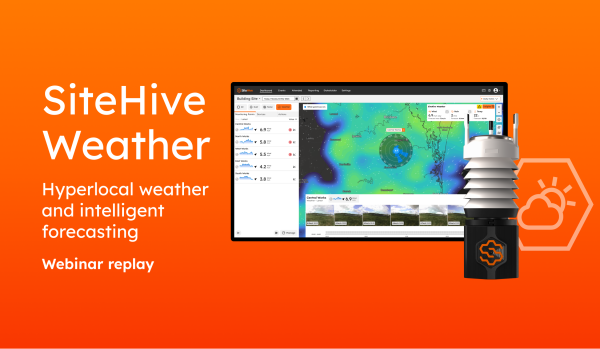
Learn everything you need to know about workplace noise. From acceptable sound levels to practical tips and how SiteHive can help you monitor and control noise on your site.
Whether you’re in construction, mining, manufacturing, or any noisy industry, managing noise is critical for keeping your team safe, productive, and stress-free. Controlling noise in the workplace not only protects employees’ hearing but also helps you stay compliant, avoid fines, and maintain a better work environment.
At SiteHive, we make noise management easy. Our real-time monitoring devices and software let you track, analyse, and control workplace noise effortlessly so your team stays focused and safe.
What are acceptable levels of noise in the workplace?
Noise levels, measured in decibels (dB), show how loud a sound is and whether it’s safe to be around for extended periods.
In Australia, the workplace noise exposure limit is 85 dB LAeq, averaged over an 8-hour day. This standard helps protect workers from noise-induced hearing loss. The 3 dB “doubling rule” also applies, meaning for every 3 dB increase, the safe exposure time is cut in half:
- 85 dB LAeq: Safe for 8 hours
- 88 dB LAeq: Safe for 4 hours
- 91 dB LAeq: Safe for 2 hours
- 94 dB LAeq: Safe for 1 hour
Which industries need to control workplace noise?
High noise levels are common in many industries. Here are some work environments where noise monitoring is important:
- Industrial and manufacturing environments (machinery, heavy equipment, conveyor systems, welding tools)
- Construction sites (piling, jackhammers, bulldozers, cranes, power tools)
- Transportation and logistics (aircraft engines, train operations, trucks, forklifts)
- Agriculture (tractors, harvesters, grain dryers, livestock noise)
- Healthcare and laboratories (MRI machines, alarms, centrifuges)
- Entertainment and hospitality (amplified music, kitchen equipment, HVAC systems)
- Mining and quarrying (drills, blasting tools, crushers)
- Energy and utilities (turbines, boilers, wind turbines)
If you work in any of these industries, chances are you need to monitor and control noise to ensure the safety of your workers. Identifying noise hazards and deploying strategies to prevent them is essential. Here’s what’s at stake.
What are the risks of uncontrolled noise?
1. Health problems
- Hearing damage: Constant loud noise can lead to permanent hearing loss or tinnitus (that annoying ringing in your ears).
- Stress and fatigue: Noise isn’t just annoying, it wears people down, leading to stress and burnout.
- Accidents: If employees can’t hear warnings or instructions, the chances of accidents will increase.
2. Lower productivity
- Distractions: Noise makes it hard to focus, especially on detailed tasks.
- Mistakes: When people can’t concentrate, errors are more likely to occur.
3. Legal and compliance Issues
- Fines and penalties: Many industries face strict noise regulations, and companies must demonstrate compliance to avoid fines and penalties. Check out our blog article on meeting Australian standards for construction noise monitoring for a detailed example.
- Lawsuits: Employees with noise-related health issues might decide to sue your business, leading to even more expenses.
4. Unhappy employees
- Frustration: Nobody wants to work in a noisy environment. It’s draining and frustrating.
- Turnover: If noise isn’t managed properly, people might decide to leave for better working conditions.
5. Communication Problems
- Misunderstandings: Loud environments make it hard to hear instructions, leading to mistakes.
- Teamwork issues: If people can’t communicate easily, collaborative work is harder.
6. It costs you money
- Healthcare costs: Employees dealing with noise-related health issues may add to your company’s expenses.
- Bad reputation: A noisy, stressful workplace can hurt your ability to attract and retain employees.
How should workplace noise be monitored?
You can monitor workplace noise using a mix of tools and techniques. The goal of noise assessment is to measure sound pressure, frequency and duration to ensure they comply with safety standards. Here’s how it’s done:
Metrics you should be looking at
Measuring sound pressure levels is vital for staying compliant, protecting workers’ hearing, and ensuring safety on the job.
- Sound level (dB): Measures how loud a sound is.
- A-weighted sound level (dB(A)): Focuses on how the human ear hears sound; used for daily noise limits.
- C-weighted sound level (dB(C)): Includes a greater amount of low frequency sound. It is used for loud bursts like explosions.
- Average noise level (Leq): Shows the average noise over a period of time.
- Peak noise (dB(C)): The loudest instantaneous/peak noise; limit is 140 dB(C).
- Noise dose (%): Tracks what percentage of the daily safe noise limit a worker has used.
- Exposure time: Measures how long someone is around the noise.
Tools you can use
1. Sound Level Meters (SLMs)
Handheld devices that allow you to measure noise levels at a specific spot and moment.
- Why they’re great: Very easy to use and perfect for quick checks or proving you’re within legal limits.
- The downside: They only capture noise in one place at one time, so they can’t track long-term exposure.
2. Personal noise dosimeters
Wearable devices that monitor how much noise a person is exposed to during a shift.
- Why they’re great: They’re personal and portable, giving a clear picture of individual exposure.
- The downside: They won’t give you real-time data and need technical setup to work accurately.
3. Real-time monitoring devices
These are “always-on” monitors that capture noise levels 24/7.
- Why they’re great: They track trends, give you alerts, and are awesome for monitoring multiple locations at the same time.
- The downside: Some real-time technologies are expensive and need installation.
The power of real-time monitoring
Real-time noise monitoring is a game-changer for workplace noise control because it provides continuous, live data and can be used across multiple locations.
It gives you a full picture of your sound environment at all times. Unlike spot checks with sound level meters (which only capture a single moment) or personal dosimeters (that focus on individual exposure), real-time technologies ensure no noise event goes unnoticed. They can send instant alerts for spikes, helping you respond immediately to potential risks before they become bigger problems.
Additionally, they provide noise trend analysis, making it easier to identify recurring noise issues, track improvements, and ensure long-term compliance with regulations.
While each tool has its own benefits, real-time monitoring stands out because it can deliver actionable live insights across large or dynamic workplaces and gives you all the information you need to proactively keep noise levels in check.
Keep your noise under control with SiteHive’s real-time technology
SiteHive’s software and devices enable proactive noise management through real-time insights into your workplace’s activity. It gives you the data you need to prevent issues, protect workers and comply with regulations.
SiteHive Hexanode Noise: next-generation devices
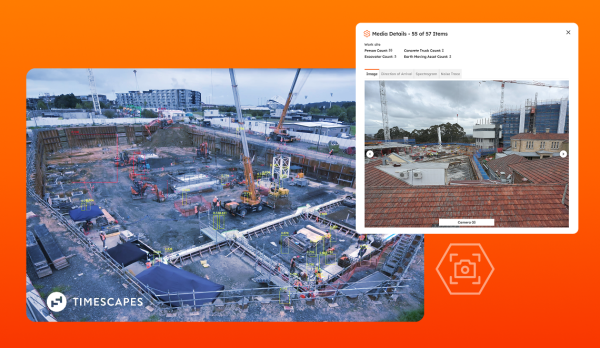
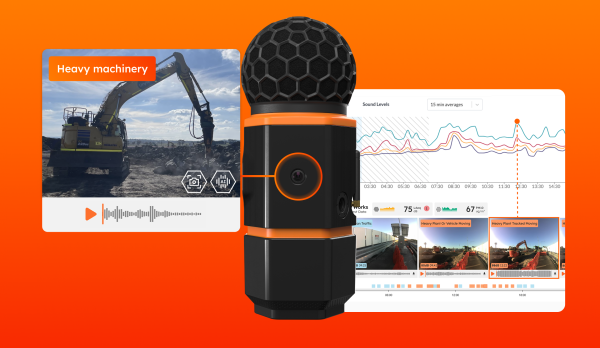
Our SiteHive Hexanode Noise devices make real-time noise monitoring a breeze. Compact, durable, and fully automated, they are highly portable and can be installed anywhere. They provide continuous, real-time noise data, fueled with contextual images, audio, and direction-of-arrival mapping, giving you a clear understanding of what’s causing noise on your site.
Our subscription model means you only pay for what you need, no concerns about repairs and device obsolescence. Plus, no matter how many devices you need, our rental model includes free access to our powerful software, SiteHive Enviro. More details on our pricing model here.
If you need to manage dust and/or vibration as well, we’ve got you covered. Explore our full range of monitoring devices here.
SiteHive Enviro and Enviro Pro: intuitive and user-friendly software
When you rent a SiteHive Hexanode, you get access to our software solution, SiteHive Enviro. This user-friendly platform simplifies data visualisation, showing you all your noise data in a clear and simple form. Our graphs are fully interactive, enabling you to dive deeper into your site’s activity. With support from media and audio capture, they help you quickly identify noisy equipment and take immediate action to reduce workplace disturbances.
What’s more, if you need to run attended measurements alongside your real-time monitoring, our Pro version includes a handy mobile app that lets you input the data directly into the system, providing a comprehensive view of your noise measurements for management, analysis, reporting, and trend comparison. Read our blog for a quick overview of attended vs unattended measurements.
Cutting-edge features for enhanced monitoring
SiteHive’s software and devices come equipped with advanced features that give you a clear understanding of your noise activity.
- The Direction of Arrival (DoA) map shows exactly where noise is coming from.
- The Daily Media Timeline gives you an overview of operational activities throughout the day. Supported by image and audio capture, it helps you correlate noise events with specific activities.
- The AI Audio Classifier saves you hours of time by automatically identifying specific sources of noise in real time.
- Rules and notifications enable you to receive real-time alerts whenever a noise threshold is exceeded.
- Adding attended measurements (from devices such as sound level meters) gives you a full overview of your noise data for management, analysis, reporting and trend comparison.
Our solution comes with many other great features (such as Events management and the Stakeholder view). Combined together, these advanced features provide everything you need to understand exactly what’s making noise on your site, protect your team and show that you’re compliant.
We make compliance easy with an all-inclusive pricing model covering servicing, calibration, replacements, and software updates. This ensures that customers avoid upfront costs and outdated technology. Our solution is highly flexible and allows users to scale the number of devices in order tosmatch their ongoing project needs.
What can you do to reduce noise?
Listed below are some noise control options:
- Remove the noise source: Get rid of noisy machines or tasks if possible.
- Reduce noise emissions: Use noise source mitigation controls in order to reduce noise emissions from specific equipment.
- Use quieter tools: Replace loud equipment with quieter versions.
- Add noise barriers: Use walls, covers, or padding to block or absorb sound.
- Administrative control: Designate quiet areas, rotate workers, or schedule noisy tasks at less busy times.
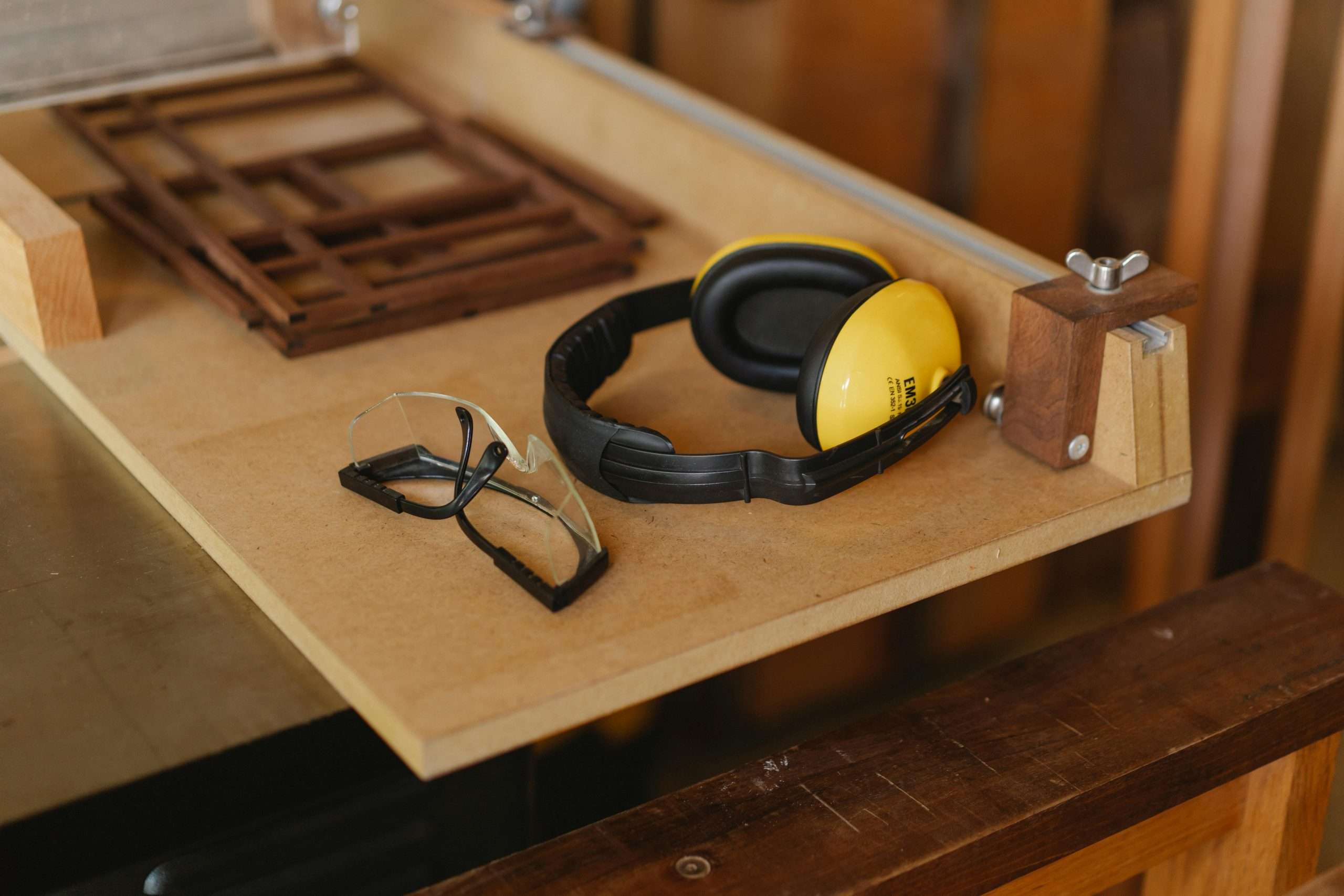
- Provide ear protection: Use earplugs or earmuffs to protect hearing.
By following straightforward noise control measures, workplaces can ensure compliance with safety standards while creating a more comfortable environment for everyone.
That’s a wrap! Now you’ve got all the information you need to control noise and ensure the safety of your workers. If you’re interested in using SiteHive for your noise monitoring, drop us a message to get a private tour of our solution and software.
Useful links:
- More details on SiteHive noise monitoring solutions..
- Contact us if you’d like more information or a demo.
FAQ
What you’ll find out:
- Acceptable levels of noise in the workplace.
- Which industries need to control workplace noise.
- The risks of uncontrolled noise.
- How should workplace noise be monitored.
- Tools you can use, their pros & cons
- How SiteHive can make noise monitoring a breeze.
Start monitoring noise with SiteHive
SiteHive provides a new way of working with software and devices that are easy to use and deliver dramatic time and cost savings.