What causes noise pollution, when does it become a problem, and how can we manage it? Let’s take a closer look.
Noise is part of everyday life, especially in busy urban environments. But when sound levels rise too high for too long, noise pollution becomes a real issue that could affect our comfort and health. In industries like construction, managing noise is essential, not just to comply with regulations but to protect workers and communities.
What can cause environmental noise pollution?
Environmental noise pollution comes from many sources. Common sources of noise pollution include:
- Construction: The use of heavy machinery, demolition, piling, and even transport to and from sites can all generate high noise levels.
- Traffic and transport: Cars, trucks, trains, and aircraft all add to urban noise.
- Industrial activity: Factories and large-scale manufacturing can produce continuous, high-decibel sounds.
- Events and public spaces: Concerts, festivals, and even crowded public areas can be sources of excessive noise.
While some noise is unavoidable, prolonged exposure, especially to high-intensity sound, can have serious consequences.
When does noise become a problem?
Not all noise is harmful. But when it exceeds safe levels for an extended period, it becomes a risk to human health and well-being. In Australia, the Environmental Protection Authority (EPA) regulates noise pollution at the state and territory level, setting limits on acceptable noise levels for different environments. For example, in New South Wales, construction noise should not exceed background noise levels by more than 5 dB(A) outside standard construction hours. In Victoria, noise from construction sites is typically limited to 75 dB(A) during the day. At an international level, the World Health Organisation (WHO) provides guidelines on noise exposure.
To put these limits into perspective, normal conversation is around 60 dB(A), freeway traffic reaches 70 dB(A), and an ambulance siren can hit 120 dB(A). Many construction activities, such as jackhammering or piling, can exceed 100 dB(A). That’s why strict regulations exist to manage noise and minimise disruption.
In general, construction noise becomes a problem when:
- It exceeds permitted levels set by local councils and the EPA.
- It occurs at sensitive times, such as early morning or late at night.
- It persists over long periods, causing stress and disruption to the community.
How can noise pollution affect our health?
Exposure to high levels of noise, whether at work or in the community, has been linked to a range of health issues, including:
- Hearing damage: Prolonged exposure (defined as 8 hours or more by the WHO) to loud noise can cause permanent hearing loss or tinnitus.
- Increased stress levels: Constant noise can trigger the body’s stress response, leading to higher cortisol levels and increased anxiety.
- Sleep disturbance: Noise at night can disrupt sleep patterns, leading to fatigue and reduced concentration.
- Cardiovascular issues: Studies have linked long-term noise exposure to high blood pressure, heart disease, and stroke.
- Mental Health Problems: Prolonged noise exposure can lead to mental health issues such as depression.
- Reduced Productivity: Background noise disrupts focus and slows down work.
For construction teams, reducing noise isn’t just about meeting regulations. It’s about creating a healthier, more sustainable environment for workers, nearby communities and the surrounding ecosystem.
What construction sites can do to limit noise pollution?
Managing noise on construction sites is a legal and ethical responsibility. Some key ways to reduce noise pollution include:
Real-time noise monitoring
The first step is using noise monitoring technology that tracks noise levels continuously, helping teams identify potential exceedances before they become a bigger issue. By closely monitoring noise data, construction teams can take immediate action, reducing the risk of non-compliance and work delays.
Mitigating noise at the source
To effectively reduce noise, focus on the source. This could mean switching to quieter equipment, such as electric tools instead of pneumatic ones, applying noise-dampening techniques to machinery or installing temporary noise barriers around noisy activities. Keeping machinery well-maintained can also ensure it runs as quietly as possible.
Scheduling work strategically
Limiting high-noise tasks to approved working hours minimises disruption to the community.
Ultimately, the best way to stay ahead of noise issues is to monitor it in real time and respond proactively when noise levels approach safe limits. Read our blog article “Essential strategies for monitoring noise in the workplace” for more information.
How SiteHive can help
SiteHive’s software and devices provide real-time insights into your site, enabling proactive noise management. It gives you the data you need to prevent problems, protect workers, and stay compliant with regulations.
SiteHive Hexanodes
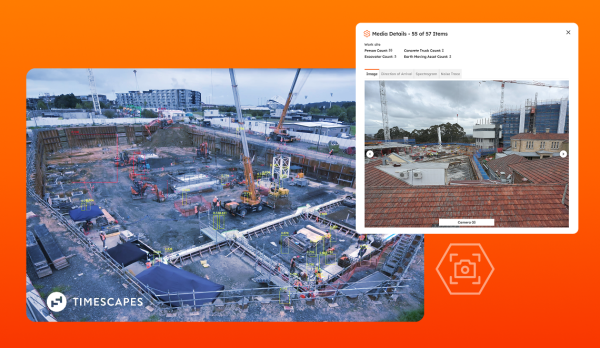
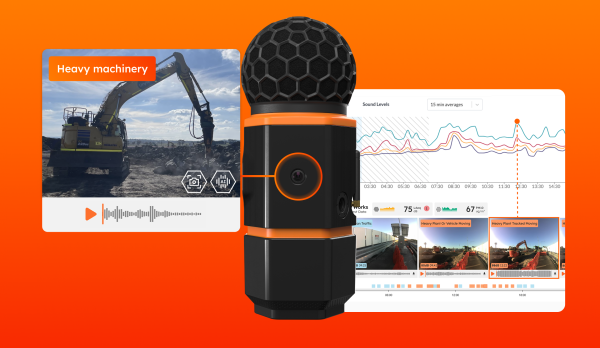
The SiteHive Hexanode family are next-generation monitoring devices that make environmental monitoring easy. The devices capture real-time, continuous data, along with rich contextual information including images, audio files and direction of arrival mapping.
SiteHive Enviro
Our award-winning software centralises all your site’s data and makes it easy to understand. With automated visualisation, DoA mapping, AI classification, analysis and reporting, you have everything you need to minimise your site’s noise impacts and stay compliant. Everything is available in one central location, from any device, so you can stay in control no matter where you are.
Managing noise pollution isn’t just about following rules. It’s about building better, healthier urban environments. By taking a proactive approach to noise management, construction teams can reduce risks, improve community relations, and create a more sustainable future.
Useful links:
- Read our blog, “How to comply with Australian standards for construction noise monitoring” for more tips and insights on noise compliance.
- Read our blog “Essential strategies for monitoring noise in the workplace” for practical tips for managing occupational noise
- Discover our noise monitoring solutions here: SiteHive noise monitoring devices and software
What you’ll find out:
- What can cause noise pollution
- When does noise become a problem
- What construction sites can do to limit noise pollution
- How SiteHive can help
Want to see how SiteHive can help your project?
Get in touch today for a personalised demo.