How advances in technology can now deliver reliable results, even in humid conditions
Dust management is a universal challenge across construction, infrastructure, and industrial projects. Whether it’s protecting workers and communities, meeting compliance requirements, or running a more efficient site, the ability to monitor dust reliably in all environmental conditions is essential.
Recent innovations, such as low-cost optical particle sensors, direction of arrival mapping and media capture, provide dust monitoring that’s real-time, granular and more context-rich than ever. Now, too, a new adaptive monitoring approach changes the game further by responding to humid conditions. It delivers reliable, validated data in all conditions – rain or shine!
How technology has changed dust monitoring
Traditional dust deposition gauges are good at telling you that you had a problem last month, but are not useful for helping to identify sources of dust or preventing issues before they occur.
Reference-grade real-time dust devices like BAM (beta-attenuation monitoring) or TEOM (tapered element oscillating microbalance) are restricted in terms of coverage as they are costly to deploy at scale. So, while providing accurate results, they are limited in their scope and practicality.
So when low-cost sensors came along, they transformed dust monitoring. They make it possible to deploy many more devices and create dense, site-wide monitoring networks that provide granular, real-time visibility across entire worksites.
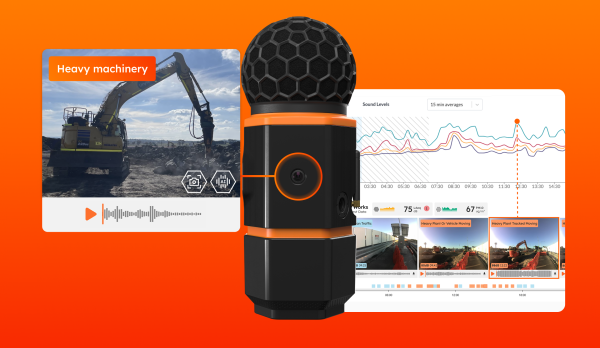
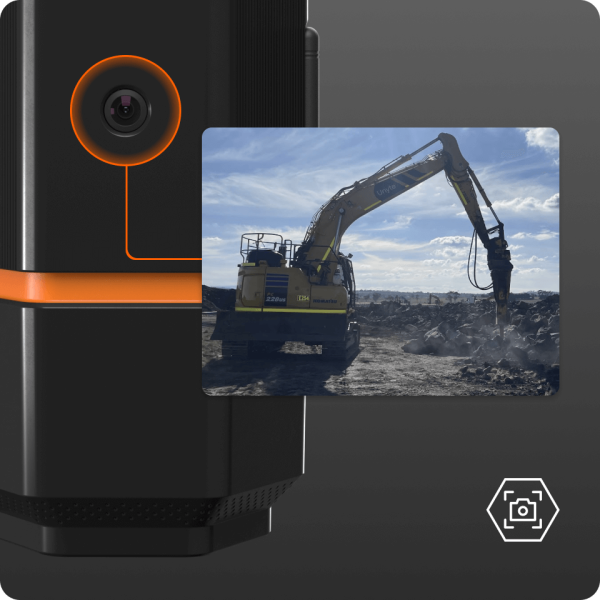
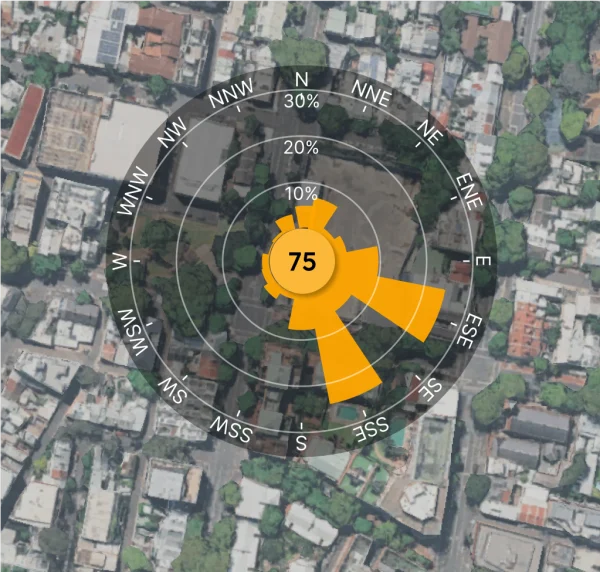
The advances in sensor technology have also been complemented by other innovations. These include features such as dust direction of arrival mapping that correlates wind and dust measurements to identify the source of dust; and image capture that provides visual evidence of dust events.
Together, these capabilities turn dust monitoring data into actionable intelligence.
Responding to humid conditions
One catch to optical sensors, however, has been their sensitivity to humidity and fog. Wet, foggy or other high humidity conditions can result in false readings – which could distort daily averages, create false exceedances, and undermine confidence with regulators and communities.
The industry needed a solution that preserves the scale and affordability of optical sensors, while removing their key limitation. Enter: dust modulation.
What is dust modulation?
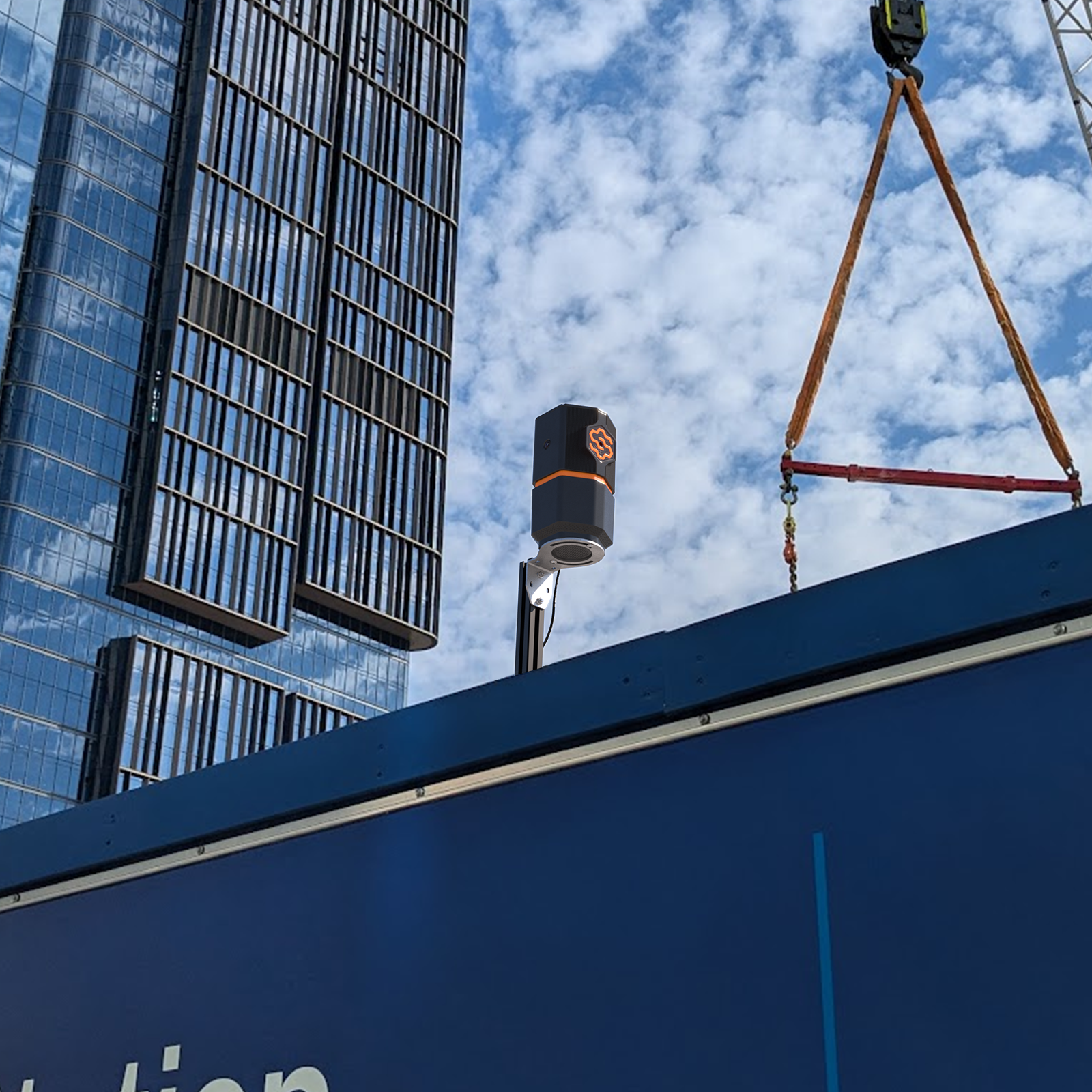
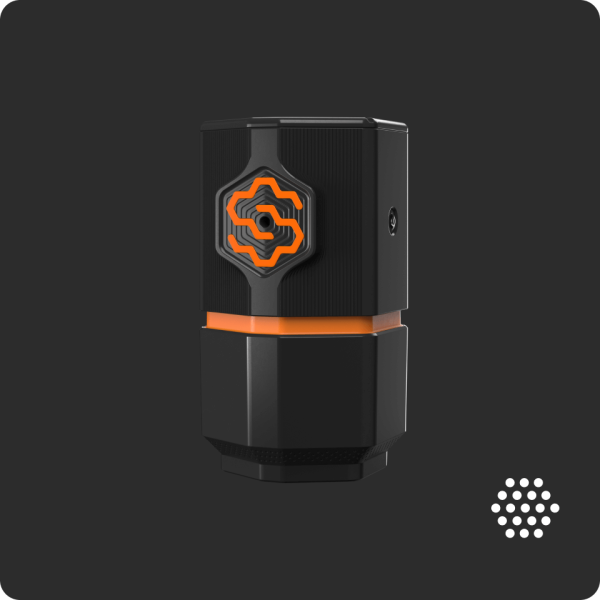
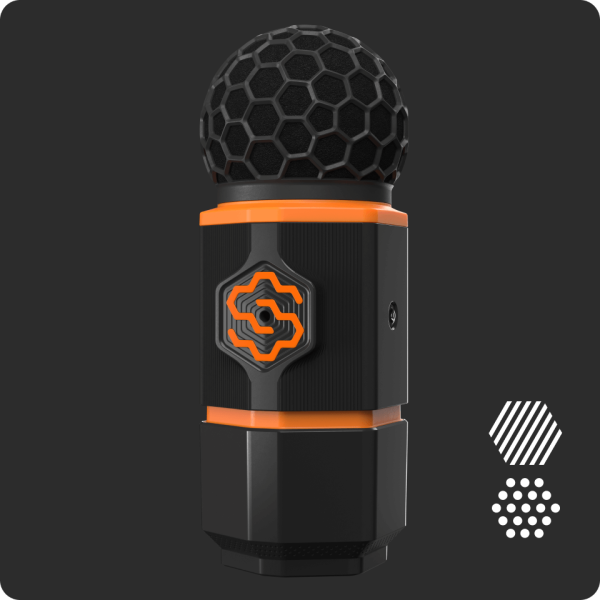
Dust modulation is an adaptive technology that intelligently filters out false dust readings caused by moisture and condensation. It’s built into all SiteHive Hexanode Dust monitoring devices, and it enables them to provide contractors and environmental managers with reliable data, whatever the conditions.
How does SiteHive’s Dust Modulator work?
SiteHive Hexanode Dust and Noise+Dust devices track local dew point spread* to determine fog, condensation and humidity risk, then modulate the readings to provide accurate results:
- An innovative sensor and optimised housing design provide 5× greater airflow to ensure consistent, accurate sampling.
- The devices use a temperature & humidity sensor at the inlet to measure the dew point spread for hyper-local conditions, which ensures any adjustments are locally precise.
- When the dew point spread is low and humidity risk is detected, the Dust Modulator adjusts sensor readings to filter out false and misleading positives, or “spikes”. It uses measurements from nearby reference-grade devices to identify and check the false positives.
- During normal, dry conditions – especially during working hours when real dust emissions occur – the dust data flows through untouched.
All this ensures genuine dust events remain visible and accurate, while false positives are intelligently managed and do not affect daily averages and reporting.
Scientifically validated; reliable results
The modulator technology was developed over years of extensive research and testing with the EPA, industry and users in the field.
It has been validated through long-term and ongoing co-location alongside Government air quality monitoring reference stations and high-grade monitors. This shows that when the Dust Modulator activates, there is no matching increase in reference-grade dust measurements — proving the adjustment removes false readings, not real data.
Comparing dust levels provided by SiteHive Hexanode Dust devices (red line) and Government reference monitors (yellow line) shows the results before and after the Dust Modulator has been activated. We clearly see how the Dust Modulator has removed the spikes in the red monitored data line, which then tracks closely with the yellow reference data line.

With a performance target of 95%+ correlation with reference-grade instruments, the data can be trusted across all infrastructure, construction projects and industrial uses. Both raw and adjusted values are always available, too, giving full traceability for audits, investigations, and compliance reporting.
Future-proofed accuracy
SiteHive maintains a network of devices co-located with Government air quality monitoring reference stations, continuously fine-tuning the dust algorithms for accuracy and regulatory alignment. This provides a continuous feedback loop for ongoing improvements.
As an example, below you can see live data from a co-location site in Rozelle, Sydney – scroll down within the image to see the real-time graphs for both Government air quality monitoring and SiteHive Hexanode monitoring – or click the link to open it in a new tab. (Note that the Government reference monitoring station uses different sensors for PM2.5 and PM10, which can cause inconsistencies in the reported numbers. These discrepancies and abnormally low or high readings show that even reference grade monitors do not guarantee reliable numbers all the time.)
Any ongoing improvements are rolled out automatically to users. This approach means that it’s a future-proofed platform that improves every day.
Summary: smarter dust monitoring that adapts to the environment, delivers reliable, actionable results
As urban development intensifies and environmental scrutiny increases, dust monitoring must evolve. The future isn’t just more sensors — it’s smarter sensors and technology advancements. Together they provide greater capabilities, make things easier for the people using them, and lower impacts for everyone.
SiteHive’s devices give you the data, information and tools to manage dust proactively and efficiently, with confidence in every reading, no matter the weather.
With them you don’t just monitor dust. You can understand it, and can act on it.
Who can benefit from smart, adaptive dust monitoring?
SiteHive’s device and software features are built to meet the needs of:
| User | Benefit |
|---|---|
| Contractors & developers | Accurate, real-time dust data to support compliance and dispute resolution; improved community relationships and trust |
| Environmental managers | Reliable real-time data; easy identification of sources; efficient investigations and workflows; fast and easy reporting |
| Consultants & regulators | Transparent, validated data aligned with industry reference standards |
| Communities & teams | Reduced dust impacts; visibility into site activity |
Want to see SiteHive dust monitoring in action?
Contact us if you have any questions, would like a demo, or want to get started with smarter, adaptive dust monitoring.
*Dew point spread is the difference between the air temperature and the dew point temperature. It is a measure of the humidity in the air, and therefore an indicator of the risk of foggy conditions. A smaller dew point spread indicates higher humidity.
Useful links:
What you’ll find out:
- How low-cost sensors have changed dust monitoring
- Innovative technology that can deliver more actionable insights
- Understand new adaptive monitoring that provides reliable results in humid conditions
- How to make your dust monitoring easy, reliable and useful
Next-gen SiteHive Hexanode Dust devices
Watch a quick video, see inside the devices, and drill down into specific features in our dynamic next-gen devices page.