How to get the best out of attended monitoring
These days, real-time continuous monitoring is the norm. But attended monitoring still has an important role to play. In this blog article, we’ll look at why attended monitoring is important and how to combine it with real-time continuous monitoring for a complete picture of your site’s environmental impact.
The rise of real-time monitoring
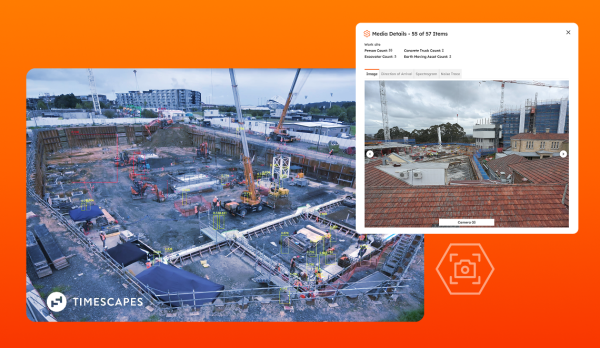
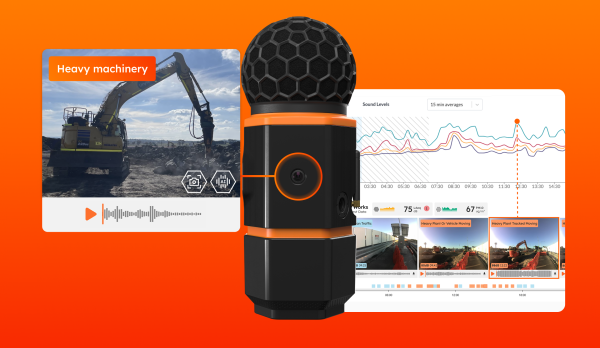
With modern, automated monitoring devices, construction sites, ports and industrial facilities can get 24/7 data on aspects such as noise, dust, vibration, water and weather. And it’s not just the continuous flow of core data that’s useful. SiteHive Hexanode devices, for example, also deliver rich contextual information – such as images and audio files – that let you actually see and hear what’s happening in the field.
The use of technology also affects the economics of monitoring, making it much cheaper to do. Which in turn allows more monitoring to be undertaken and enables a more accurate picture to be built. Sensors, cameras, and other monitoring devices can capture vast amounts of data, which can be analysed to identify trends, patterns, or anomalies.
But sometimes attended monitoring is necessary for specific issues or situations.
What is attended monitoring?
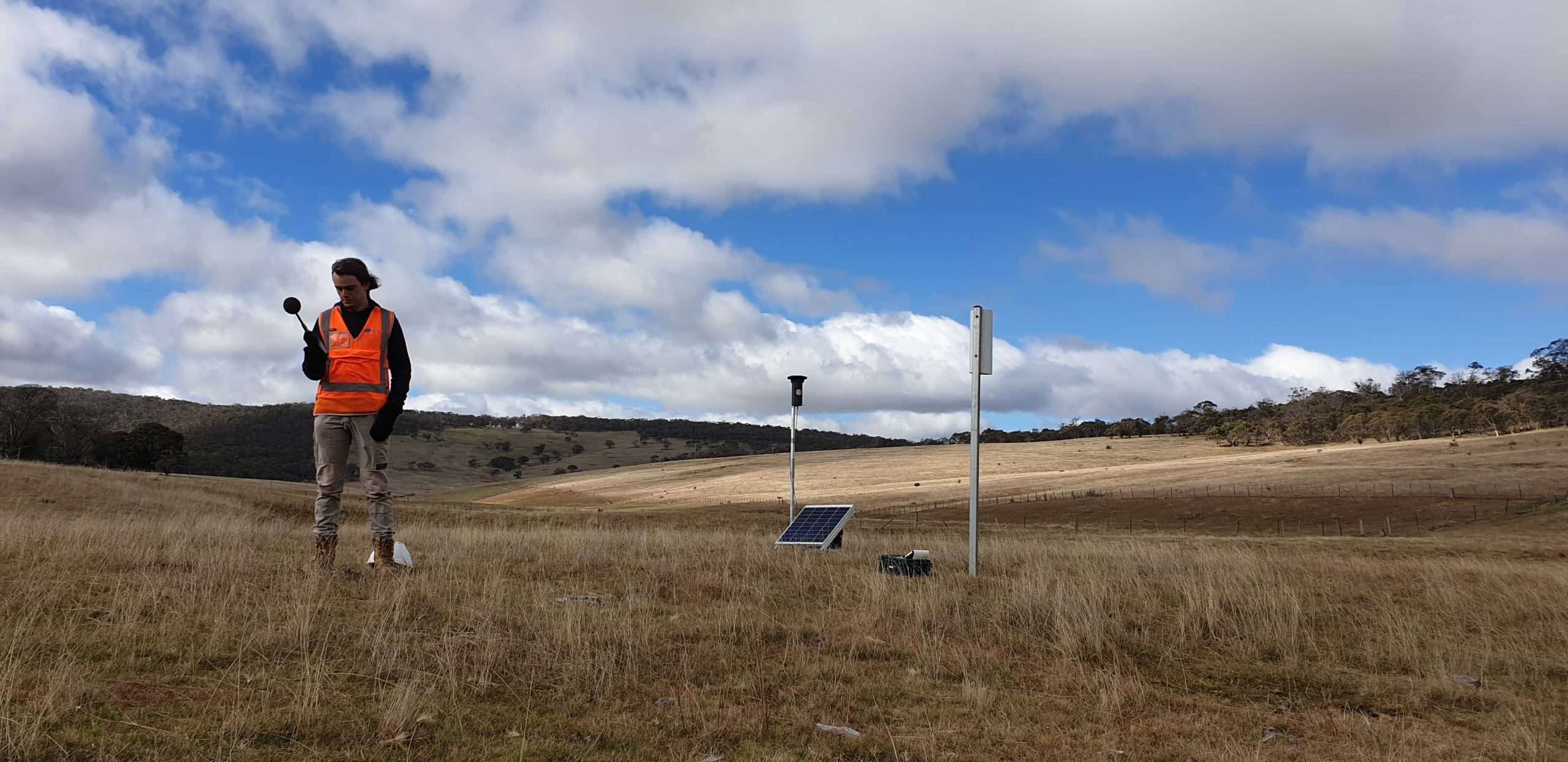
Attended monitoring is the practice of active supervision and/or measurement of environmental aspects (such as noise, water quality, etc) in person. This type of monitoring requires direct human involvement at the location on site, and it generally involves measurements taken using hand-held equipment, direct observations and a subjective assessment of contributions based on individual experience.
Why is attended monitoring useful?
Overall, attended monitoring offers direct, hands-on oversight that can enhance safety, quality, communication, and compliance. It can be a very useful tool in ensuring the project proceeds efficiently and within established standards.
Some of the benefits of using attended monitoring include:
1. Human expertise and judgement
While technologies such as AI-classification and captured media have transformed issue identification, there’s still no substitute for human expertise in evaluating complex or context-specific situations. An individual on site can assess the full situation, identify potential risks and develop a mitigation or resolution action plan.
2. Immediate issue resolution
A person on site can often address any problems immediately. This can prevent or reduce delays and minimise project disruption.
3. Better understanding
On-site measurements and observations can be a useful adjunct to unattended monitoring data. Modern environmental management software, such as SiteHive Enviro Pro, allows attended data to be uploaded into the system, enabling all the information from both attended and unattended monitoring to be reviewed and managed in one place. This can provide a more accurate and nuanced view of the situation.
4. Quality control
On-site measurements and oversight can be a useful check for the accuracy of automated monitoring.
When to use attended monitoring
The labour-intensive nature of attended monitoring makes it more expensive to use than unattended monitoring. But it has a couple of significant advantages: problem resolution, as humans can solve complex problems based on a variety of different inputs and backed by experience and expertise; and immediacy, as issues found can sometimes be addressed immediately.
Because of these characteristics, attended monitoring is generally more useful for specific situations, such as when:
- There’s a need for immediate human decision-making.
- High-quality workmanship and safety are priorities.
- Immediate intervention or adjustments are needed.
- Compliance with complex regulations or codes requires detailed oversight.
In practice, many projects benefit from a hybrid approach, where unattended monitoring is used for ongoing data collection and analysis, while attended monitoring is employed for key activities requiring real-time oversight, safety intervention, or quality control. Typical situations where people often choose to use attended monitoring include:
- In response to specific complaints from residents, communities or other stakeholders;
- to drill deeper into regulatory compliance issues or requests;
- at the start of works likely to generate high noise levels;
- periodically to ensure unattended monitoring is accurate.
A quick overview of attended vs. unattended monitoring
The table below provides an overview of the relative benefits of attended and real-time monitoring.
| Factor | Attended monitoring | Unattended monitoring |
|---|---|---|
| Cost | Higher due to labour time and expertise required. | Lower due to automation. |
| Responsive-ness | Immediate if personnel detect while on site. | Data in real time, and can include automated, immediate alerts. Time then dependant on review and access to site. |
| Safety | Active and immediate intervention possible. | Can provide proactive intervention to prevent issues – eg dust mitigation. Can detect risks but intervention dependent on issue. |
| Data quality | Dependent on human intervention. Can be subjective. | Objective, precise and continuous. Can be backed by captured images and audio. |
| Coverage | Limited – in terms of both location and time periods. | Can cover large areas and operates 24/7. |
| Problem- solving | Onsite expertise provides good problem-solving taking into account multiple factors and complex situations. | Good – reliant on breadth of data inputs and review. |
| Compliance | Direct action generally ensures good on-site compliance. | Sharing of data across work teams and alerts allows more people to be informed about compliance status. |
Making the most of attended measurements
As attended monitoring can be a costly process, it’s important to do it as efficiently as possible, and get the maximum value from your attended measurements. It’s best to be able to view and manage your attended monitoring data and observations alongside your real-time data and information, as this saves time and means you have a complete picture of the site situation. It’s also a great way to compare trends over time and between locations.
Quick and easy data capture with SiteHive
SiteHive Enviro Pro includes an attended monitoring app (called SiteHive Attended) that allows you to collect data in the field and enter it directly into the SiteHive Enviro system.
The SiteHive Attended App allows onsite measurements to be captured, analysed and reported instantly. You can record field measurements for water, noise, dust, vibration and odour, and add notes, contextual images and weather data.
As well as being a very quick and efficient way to record attended measurements, it means that all attended measurements are recorded in one system, alongside all your continuous data, so you have the full picture for management, analysis, reporting and comparing trends.
By making attended measurements as efficient as possible, environmental managers and other stakeholders can benefit from the best of both worlds, where continuous real-time monitoring is the core, supported by attended monitoring for specific circumstances and unique situations.
Useful links:
- More about the SiteHive Enviro Pro and SiteHive Attended App
- Contact us if you’d like more information or a demo.
- If you’re using SiteHive Enviro Pro, you can download the App now.
- Follow our step-by-step instructions on using SiteHive Attended, or get in touch with our Support team. You can Live Chat with us, email support@sitehive.co or call us on +61 483 924 329.
What you’ll find out:
- Differences and benefits of attended vs. unattended monitoring
- When to use attended monitoring
- How to efficiently conduct attended measurements
See all the great things you can do
SiteHive Enviro Pro comes with many other great features, including an AI Audio Classifier, event management and advanced reporting.