Learn how to manage noise effectively with Australian standards for noise monitoring. Gain insights into best practices for noise assessment in construction, ports, waste management and mining.
Monitoring noise on Australian construction sites, ports, industrial facilities, mines, and quarries is crucial for maintaining compliance with regulatory and contractual obligations, and maintaining a positive social licence to operate. Active noise monitoring ensures adherence to legal requirements and supports positive relationships with surrounding communities.
What are the Australian noise monitoring standards?
Noise monitoring standards provide guidelines for measuring and managing noise levels, ensuring consistency and accuracy in assessments. These standards help organisations comply with regulations and manage their responsibilities effectively across various settings.
Key Australian laws and standards for construction noise include:
- AS 1055.1-1997 – Acoustics: Description and Measurement of Environmental Noise
- AS 2436-2010 Guide to noise and vibration control on construction, demolition and maintenance sites
- NSW EPA Noise Policy for Industry (2017)
- NSW EPA Construction Noise Guideline (2009)
- IEC 61672 Electroacoustics – Sound level meters
Importance of monitoring environmental noise from construction sites and industrial facilities
Monitoring noise is vital for ensuring construction sites do not adversely impact nearby communities and stakeholders. According to the NSW EPA Construction Noise Guideline (2009), proactive noise management helps to:
- Identify and assess noise levels: Conduct noise assessments to detect and manage high noise levels in both workplaces and communities. These assessments are crucial for understanding the impact on surrounding areas and ensuring compliance with legal and contractual obligations.
- Ensure regulatory compliance: Adhering to legal requirements helps avoid potential fines or legal actions and demonstrates a commitment to transparency and accountability.
Impact of noise on compliance and community relations
Excessive noise can lead to challenges in maintaining compliance with noise regulations and can strain relationships with surrounding communities. Noise issues can trigger complaints from the public, damage trust, and potentially lead to legal disputes or penalties.
Proper noise management is essential for preserving good relationships with local residents and ensuring that the project operates within legal limits, thereby avoiding disruptions and maintaining a positive reputation.
Why industrial noise monitoring is essential
Industrial noise monitoring is essential for maintaining safe and compliant working environments. By regularly measuring noise levels, businesses can ensure they meet regulatory standards, such as those outlined in AS 1055.1-1997, which details the proper methods for evaluating and measuring environmental noise. Additionally, it supports compliance with guidelines such as those outlined in NSW EPA Noise Policy for Industry (2017), ensuring businesses minimise their environmental impact and avoid potential penalties.
Benefits of proactive noise management
- Enhanced public relations: Demonstrating a commitment to community well-being and compliance with regulatory standards.
- Risk mitigation: Implementing risk control measures to manage noise risks effectively, thereby avoiding potential conflicts with stakeholders and regulators.
How to conduct noise monitoring on-site
Conducting noise monitoring is essential for ensuring a compliant site or project. Identifying the noise level generated by various sources, such as construction, machinery, and ports operations, is crucial for effective noise management.
Steps involved in noise assessment
Identifying noise sources
The first step in any noise assessment is to identify the sources of noise in the environment. This includes pinpointing specific machines, equipment, or processes that generate significant noise levels. Understanding the sources helps effectively target noise control measures.
Selecting appropriate measurement instruments
Choose the right tools for accurate noise measurement. Common instruments include sound level meters, personal dosimeters, and octave band analysers. The accuracy of the noise assessment depends heavily on the quality and suitability of the measurement instruments.
Conducting measurements and recording data
Measure noise levels at various locations and times to get a comprehensive picture of the noise environment. Ensure that all measurements are documented accurately, including the date, time, location, and conditions during the measurement. Detailed and accurate data collection is critical for a reliable noise assessment.
Analysing and interpreting results
Evaluate the collected data to understand the impact of noise. This includes comparing the measured levels against permissible limits and identifying any areas of concern. Analysis helps determine whether the noise levels are within acceptable limits and what actions might be necessary to reduce noise exposure.
Tools and Equipment Used in Noise Monitoring
SiteHive offers advanced tools and equipment for noise monitoring, including:
SiteHive Enviro – All of SiteHive’s devices are equipped with SiteHive Enviro – an intuitive environment monitoring software. SiteHive Enviro allows you to see and manage what’s happening across your site in real time – from wherever you are, and compare data trends between locations. You can even generate PDF reports as soon as data is collected on-site.
SiteHive Enviro Pro – The pro version of our software comes equipped with many extra features including SiteHive Audio Classifier. This AI-powered technology identifies sources of noise in real time. So, instead of going through each individual audio file, you can immediately see which noise is caused by your site and which one isn’t. Developing a comprehensive dust control strategy is essential to ensure that both personal and area monitoring are effectively integrated to protect workers.
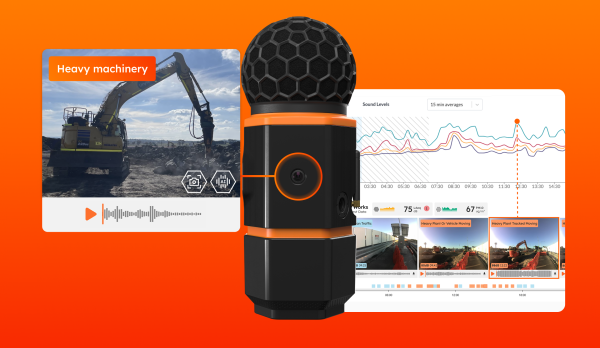
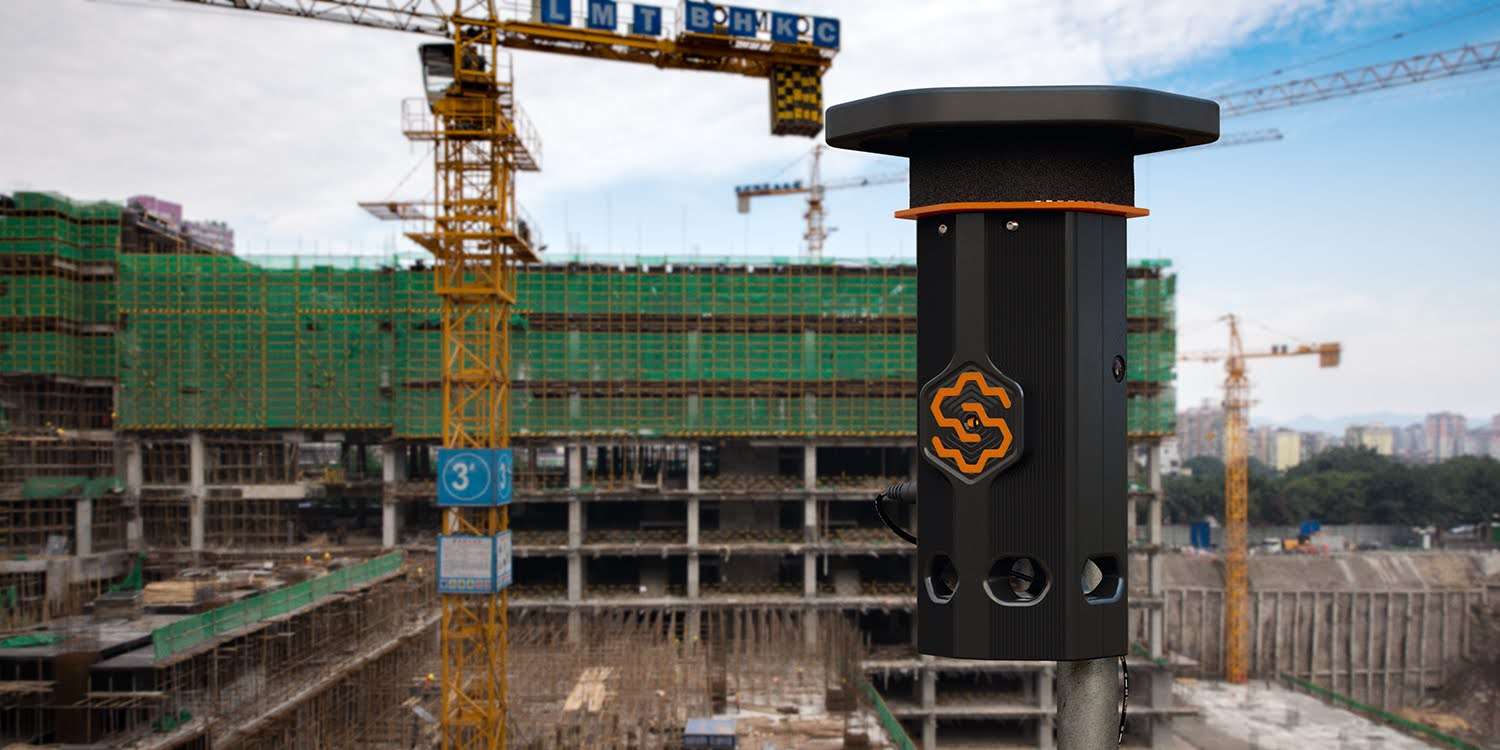
SiteHive Hexanode Noise – SiteHive Hexanode devices make things easy. Small, robust, and automated, they can be used anywhere. They deliver continuous real-time noise data, plus rich contextual images and audio. See and hear what’s making noise on your site. The device helps in identifying and managing loud noise on site, ensuring compliance with noise regulations and minimising the risk of non-compliance. SiteHive Hexanodes meet the performance requirements of IEC 61672.
Importance of regular monitoring and maintaining records
Regular noise monitoring and accurate record-keeping are essential for ongoing compliance and effective noise management. They help identify trends, measure the effectiveness of control measures, and ensure continuous improvement.
Additionally, it is crucial to review and apply risk controls as part of regular monitoring to manage noise exposure effectively.
Noise mitigation measures for compliance
Conducting measurements and recording data
One of the most effective ways to manage noise risk is to control it at the source. This involves:
- Implementing engineering controls such as installing quieter machinery, using dampers and silencers, and applying sound insulation materials.
- Regularly maintain and service equipment to prevent noise from wear and tear.
- Modifying processes to operate at lower noise levels where feasible. Controlling noise at the source can help reduce the likelihood of noise-related complaints.
Control the Noise Pathway
If noise cannot be adequately controlled at the source, the next step is to control the pathway by which it reaches stakeholders and communities. This can be achieved by:
- Installing barriers or soundproof enclosures around noisy equipment.
- Using acoustic panels or curtains to absorb sound and reduce noise transmission.
- Designing workplaces to maximise the distance between noise sources and sensitive receptors, helping to minimise the impact on surrounding communities.
Protect the Stakeholder Relationship
When noise cannot be sufficiently controlled through engineering and administrative measures, transparency and communication become essential. This includes:
- Providing stakeholders with clear information about noise levels and management efforts.
- Engaging with the community to address concerns and demonstrate a commitment to minimising noise impacts.
Provide Training
Educating employees about the importance of compliance with noise regulations and maintaining good community relations is crucial for effective noise management. Training programs should cover:
- The significance of meeting regulatory standards and the potential risks of non-compliance.
- How to properly use noise monitoring tools and interpret data.
- Effective communication strategies for dealing with stakeholders and communities regarding noise concerns.
References
- Safe Work Australia, (2023) Managing Noise and Preventing Hearing Loss at Work. Accessed: 25-07-2024.
- WHO, (2018) Environmental Noise Guidelines. Accessed: 25-07-2024.
- Safe Work Australia, (2011) Work Health and Safety Act 2011. Accessed: 25-07-2024.
- Standards Australia, (2005) AS/NZS 1269.1:2005. Accessed: 25-07-2024.
- Safe Work Australia, 2011. Work Health and Safety Regulation 2011. Accessed 25 July 2024.
FAQ
What you’ll find out:
- Australian noise monitoring standards
- Importance of noise compliance
- Tools and equipment used in noise monitoring
- Why real-time monitoring is key
Want to monitor noise with SiteHive?
SiteHive software and devices make it easy to see and manage what’s causing noise in real time.